

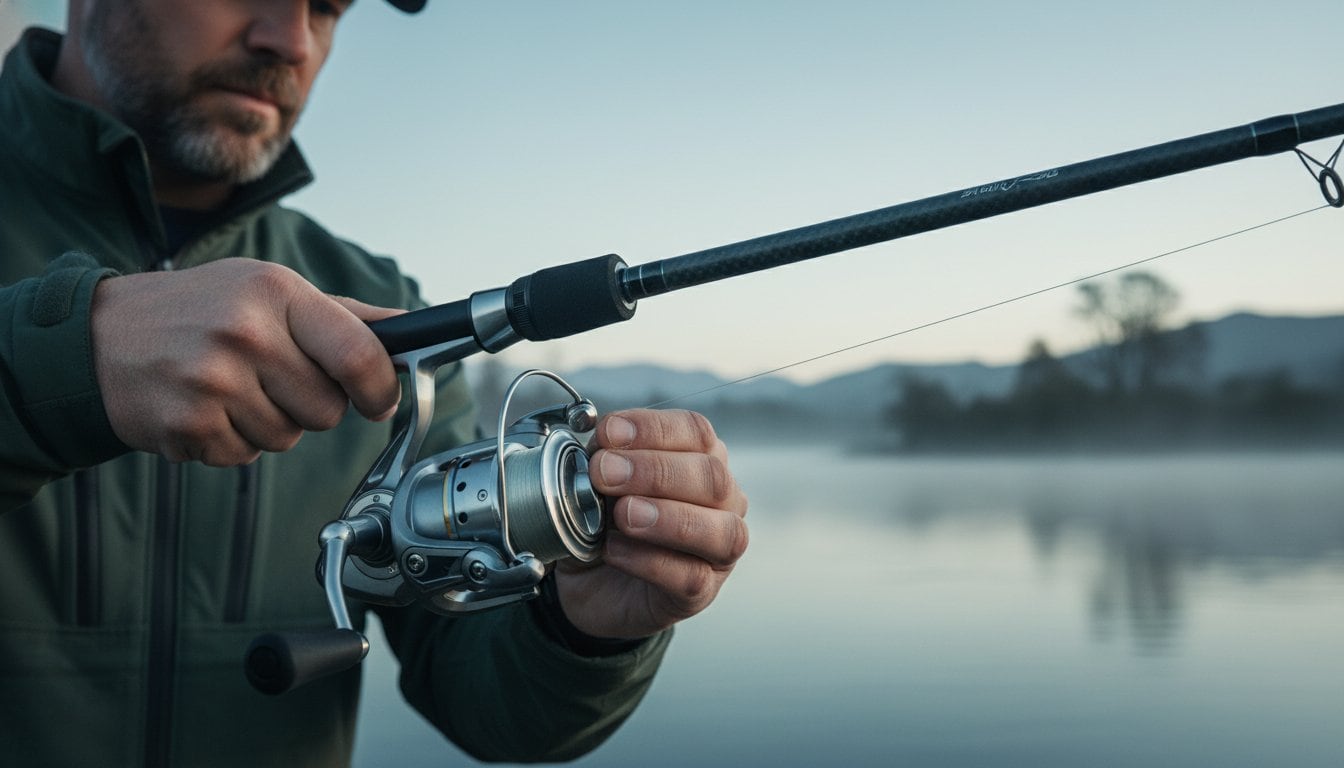
For the discerning angler, selecting the perfect fishing rod is a critical decision, yet the path is often obscured by a fog of technical jargon. Terms like ‘action’, ‘power’, and ‘modulus’ can be perplexing, and the sheer breadth of specialised options can make choosing the right tool a formidable task. The fear of investing a significant sum, potentially hundreds of pounds, into the wrong piece of equipment is a valid concern that can lead to hesitation and frustration on the bank.
This ultimate guide is engineered to eliminate that uncertainty. We will deconstruct the anatomy of the modern, high-performance fishing rod, providing the expert knowledge required to interpret every specification with confidence. From understanding rod materials to matching the perfect blank with your reel and target species, this resource will empower you to make an informed, impeccable choice. Prepare to move beyond confusion and equip yourself with the insight needed to select a top-tier rod that elevates your angling success.
Understanding the Anatomy of a Premium Fishing Rod
To the discerning angler, a fishing rod is far from a simple stick; it is an elite, high-performance tool engineered for precision and control. Each component is meticulously designed to work in synergy, translating the subtlest of bites into tangible feedback. Understanding the anatomy of a fishing rod is the first step towards appreciating the impeccable craftsmanship behind a top-tier model. This knowledge allows you to discern why specific materials and construction methods are critical for elevating your performance on the water, whether you’re casting for wary trout in a chalk stream or battling powerful pike in a loch.
The Rod Blank: The Core of Performance
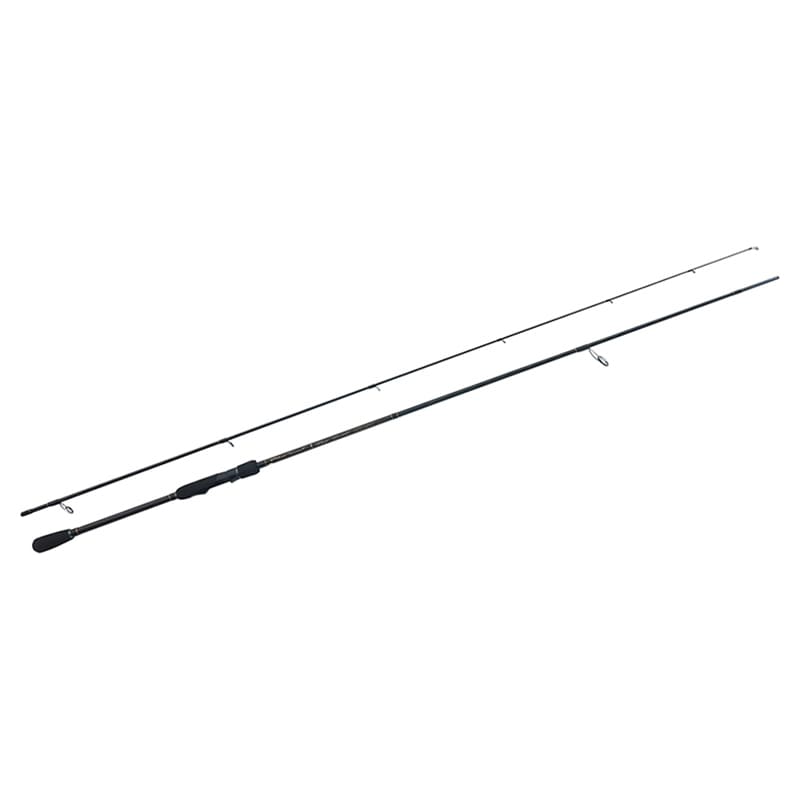
The rod blank is the main shaft and the very soul of the rod, dictating its action, power, and sensitivity. Premium blanks are typically crafted from high-modulus graphite (or carbon fibre), a material prized for its incredible lightness and ability to transmit vibrations, allowing you to feel every contour of the lakebed. While graphite excels in sensitivity, fibreglass blanks are valued for their unparalleled durability and more moderate action, making them a superb choice for specific techniques like crankbait fishing. Composite blanks offer a calculated blend of both, providing a versatile balance of properties for all-round applications.
Rod Guides: Ensuring a Smooth Path for Your Line
The guides are the critical contact points that control the line’s flow from the reel to the tip-top during casting and retrieval. On elite rods, you will find guide inserts made from superior materials like Silicon Carbide (SiC) or Alconite, often housed in lightweight titanium or stainless steel frames from renowned manufacturers like Fuji. The purpose of these high-grade materials is to minimise friction. This reduction not only protects your line from wear but also facilitates longer, smoother, and more accurate casts—a non-negotiable advantage for the serious angler.
The Handle and Reel Seat: Your Connection to the Rod
The handle and reel seat are your direct interface with the rod, making ergonomics and material quality paramount. Handles are typically constructed from either premium-grade cork, which offers a classic feel and excellent sensitivity, or high-density EVA foam, known for its durability and comfort. Designs vary between a traditional full grip, providing maximum leverage, and a modern split grip, which reduces weight and enhances sensitivity. The reel seat’s function is to lock your reel to the rod without any play. A high-quality, well-engineered reel seat ensures this connection is secure and comfortable, providing confidence during a prolonged fight.
Decoding Rod Specifications: Power, Action, and Length
The series of letters and numbers printed on a fishing rod blank are the blueprint to its on-the-water performance. These metrics dictate how the rod behaves under load, from casting a lightweight lure to battling a powerful fish. For the discerning angler, mastering these specifications—power, action, and length—is the critical step from simply owning equipment to commanding it with precision. While a foundational understanding of the main types of fishing rods is a good starting point, this knowledge empowers you to make expert choices for elite-level success.
Rod Power Explained: From Ultra-Light to Extra Heavy
Power refers to the rod’s resistance to bending and its inherent lifting strength. This rating directly correlates with the recommended line strength and lure weight, which are typically printed on the blank. Matching the power to your target species is non-negotiable for optimal performance.
- Ultra-Light (UL) to Light (L): Designed for finesse presentations and smaller species like trout and perch.
- Medium (M) to Medium-Heavy (MH): The workhorses of angling, offering exceptional versatility for targeting bass, zander, and general lure fishing.
- Heavy (H) to Extra-Heavy (XH): The backbone required for casting large lures and battling formidable predators like pike and catfish.
Rod Action Explained: Fast, Moderate, and Slow
Action describes where the rod bends along its length when pressure is applied. This characteristic is crucial as it influences sensitivity, casting dynamics, and hook-setting efficiency. A premium fishing rod will have a precisely engineered action for a specific technique.
- Fast Action: Bends primarily in the top third of the blank. This provides maximum sensitivity for detecting subtle takes and transfers power quickly for decisive hook sets, making it ideal for jigging and plastics.
- Moderate Action: Bends into the middle section. The deeper flex acts as a shock absorber, making it the top-tier choice for fishing lures with treble hooks, such as crankbaits and wobblers, as it prevents hooks from pulling free.
- Slow Action: Bends in a deep, parabolic curve into the butt of the rod. This action excels at loading and casting very light lures and protects delicate line when fighting spirited fish.
Choosing the Right Rod Length
Rod length directly impacts casting distance, accuracy, and leverage. Shorter rods (typically under 7 feet) provide superior accuracy and manoeuvrability, making them perfect for fishing in tight quarters, such as from a kayak or on a heavily wooded stream. Longer rods (over 7 feet) generate greater tip speed for increased casting distance, offer better line control at range, and provide more leverage for guiding fish away from snags, making them ideal for bank fishing on large reservoirs or lochs.
An Expert Guide to the Main Types of Fishing Rods
Selecting the correct fishing rod is not a matter of preference, but of tactical necessity. Different fishing disciplines in the UK demand highly specialised equipment, and understanding the core designs is fundamental to success. This guide details the most popular and effective rod types available to the discerning angler, providing the clarity needed to narrow your search and invest in the ideal tool for your specific pursuit.
Spinning Rods: The Versatile All-Rounder
Characterised by line guides positioned on the underside of the blank, spinning rods are designed for use with fixed-spool reels. They represent the pinnacle of versatility, excelling in a vast range of lure fishing applications. For the angler employing finesse techniques with lighter lures for species like perch and chub, their sensitivity and ease of use are unparalleled. While accessible to novices, a premium spinning rod is an indispensable tool in any serious angler’s arsenal. Explore our curated selection in the dedicated spinning rod buying guide.
Casting Rods: For Power and Precision
Engineered for power and precision, casting rods feature line guides on top of the blank and are paired with baitcasting or multiplier reels. This configuration provides superior leverage and control, making it the preferred choice for presenting heavier lures, using thicker lines, and battling large predators like pike. While mastering a baitcaster requires practice to avoid overruns, the resulting accuracy and casting power are unmatched for serious lure work.
Carp Rods: The Powerhouse for Specimen Angling
Built to withstand the immense pressures of modern specimen angling, carp rods are true powerhouses. Their strength is measured by a ‘test curve’ rating—the weight required to bend the tip 90 degrees—rather than a casting weight. This indicates their power for casting heavy leads and controlling powerful fish. Typically used in sets of two or three on a rod pod, they are the foundation of any serious carp angler’s setup. Discover top-tier options in our roundup of the best carp rods for 2026.
Specialist Rods: Fly, Sea, and Travel
Beyond the primary categories, a range of specialist rods cater to specific disciplines, each engineered for elite performance in its field.
- Fly Rods: A unique design where the angler casts the weight of the line itself, not the lure, to present a lightweight fly with delicate precision.
- Sea Rods: Constructed with corrosion-resistant components and immense backbone to handle powerful saltwater species from the shore or boat.
- Travel Rods: Featuring multi-piece designs, these rods offer exceptional portability for the globetrotting angler without a significant compromise on performance. Find the perfect companion in our travel spinning rod guide.
How to Choose the Perfect Fishing Rod: A 3-Step Process
Having understood the technical specifications of a modern fishing rod, it is time to apply that knowledge to make a practical, informed choice. This simple, three-step process is designed for the discerning angler, ensuring you invest in the right tool for the job and avoid the common mistakes that lead to an unbalanced or ineffective setup. A high-performance angling system begins with the perfect rod selection.
Step 1: Define Your Target Species and Technique
Your primary quarry and chosen angling method are the most critical factors in determining your needs. The power and action required to effectively fish for small perch are fundamentally different from those needed to control a large, powerful pike. Consider your approach carefully:
- Target Species: Will you be pursuing finicky roach on light lines or targeting specimen carp that demand significant stopping power? Your target dictates the necessary rod power.
- Fishing Technique: The demands of lure fishing (requiring sensitivity and speed) differ greatly from deadbaiting (requiring backbone for casting weight) or float fishing (requiring line control). Your technique dictates the optimal rod action.
For example, an angler targeting perch with small soft plastics will excel with a Light power, Fast action spinning rod for maximum sensitivity and rapid hook sets.
Step 2: Assess Your Fishing Environment
Where you fish is just as important as what you fish for. The physical characteristics of your venue directly influence the ideal rod length for optimal performance. Fishing from the bank of a large reservoir in the UK will often require a longer rod of 10-13ft to achieve the casting distance needed to reach feeding fish. Conversely, fishing from a boat or navigating the overgrown banks of an intimate river or canal favours a shorter rod (typically 6-8ft) for improved accuracy and manoeuvrability in confined spaces.
Step 3: Creating a Balanced Setup
A premium rod is rendered ineffective if it is poorly matched with an unsuitable reel and line. Creating a balanced, synergistic setup is the hallmark of an elite angler. Ensure your reel size complements the rod’s weight and balance point, preventing fatigue during long sessions. Critically, you must match your line’s breaking strain to the recommended casting weight and line rating printed on the rod blank itself. This ensures optimal casting performance and the integrity of your equipment when fighting a fish. For expertly matched, top-tier systems, explore our premium rod and reel combinations.
Why Invest in a Premium Rod? The Elite Angler Difference
Many anglers progressing in the sport eventually ask the same question: is a high-end fishing rod, often costing several hundred pounds, truly worth the investment? For the discerning enthusiast who demands optimal performance, the answer is an unequivocal yes. The distinction between a standard rod and an elite one is not about branding; it is a measurable difference in performance, durability, and ultimately, your enjoyment and success on the water. Here, we explore the tangible benefits you gain when investing in top-tier equipment.
Superior Materials: High-Modulus Carbon Blanks
The foundation of any premium rod is its blank. Elite models utilise high-modulus carbon fibre, a material that is significantly lighter, stronger, and more sensitive than standard graphite. This heightened sensitivity is critical, allowing you to feel the most subtle bites and textures under the water that would otherwise go unnoticed. Much of this material science is perfected by Japanese manufacturers, who lead the world in producing impeccably crafted, high-performance rod blanks.
Elite Components: Fuji Guides and Reel Seats
Top-tier components are chosen for function, not just form. Premium rods are almost universally fitted with components from industry leaders like Fuji. Their guides, often featuring Silicon Carbide (SiC) inserts, minimise friction to maximise casting distance and preserve the life of your line. A precisely engineered reel seat provides a secure, wobble-free connection to your reel, ensuring that every subtle movement is transferred directly to your hands for impeccable control.
The Performance Advantage on the Water
These advanced materials and components culminate in a significant on-the-water advantage. The benefits are clear and direct:
- Reduced Fatigue: A lighter, better-balanced rod allows for comfortable, all-day casting without physical strain.
- Increased Bite Detection: Superior sensitivity means you will detect more takes, leading directly to more hooked fish.
- Enhanced Casting Accuracy: A high-performance blank has a faster recovery rate, enabling you to place your lure or bait with pinpoint precision.
Ultimately, investing in a premium fishing rod is an investment in your angling success. When you are ready to experience the tangible benefits of elite-level equipment, explore the curated selection at eliteangler.store.
The Final Cast: Equip Yourself for Elite Performance
Mastering the art of angling begins with mastering your equipment. As this guide has detailed, understanding the intricate relationship between a rod’s power, action, and length is fundamental. This knowledge empowers you to select the ideal tool for your specific discipline, from casting for pike in a Scottish loch to finesse fishing on a canal. Choosing the right fishing rod is therefore not a simple purchase; it is a strategic decision that directly influences your connection to the water and the fish you pursue.
For the discerning UK angler who demands nothing less than the best, this decision leads to a higher standard of equipment. At Elite Angler, we are specialists in sourcing elite Japanese and other top-tier fishing tackle, curating a collection defined by impeccable craftsmanship and superior performance. Each rod we offer has been expertly selected to meet the rigorous demands of the dedicated enthusiast.
Your next personal best is waiting.
Frequently Asked Questions
What is the main difference between a fishing rod and a fishing pole?
The primary distinction lies in their components and function. A fishing rod is engineered with line guides and a reel seat, designed for casting and retrieving line with superior control and distance. This is the standard for the modern, discerning angler. In contrast, a fishing pole is a simpler apparatus, typically a long staff with the line fixed directly to its tip. It lacks the versatility and technical performance required for most angling disciplines beyond close-range presentation.
How much should a beginner spend on their first fishing rod?
A serious beginner should view their first purchase as an investment. We recommend allocating between £80 and £150 for a quality rod and reel combination. This price point provides access to durable graphite composite blanks and reliable components that offer superior sensitivity and performance over mass-market alternatives. Investing in a reputable brand ensures a more rewarding experience and a tool that will not impede your development as an angler.
Can I use one fishing rod for all types of fishing?
While a general-purpose rod exists, it is a compromise that will limit performance across specialised disciplines. A light spinning rod for trout is entirely inadequate for surf casting, just as a heavy boat rod is unsuitable for delicate river work. An elite angler builds a collection of rods, each meticulously selected for a specific target species, water type, and technique. This ensures optimal lure presentation, bite detection, and fighting capability for every scenario.
How do I properly care for and maintain my fishing rod?
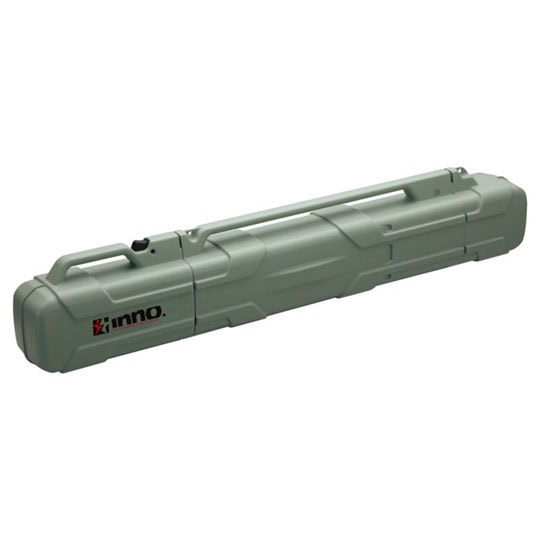
Proper maintenance is essential to preserve the performance of your premium equipment. After every session, especially in saltwater, rinse the entire rod with fresh water and dry it with a soft cloth. Pay close attention to the guides, ensuring no salt or grit remains on the ceramic inserts. Periodically inspect the ferrules for a secure fit and store your rod in a protective tube, away from direct sunlight and extreme temperatures to prevent blank degradation.
What does the ‘test curve’ on a carp rod mean?
The test curve (TC) is a critical specification that defines a carp rod’s power. It is the precise weight, measured in pounds (lb), required to bend the rod tip to a 90-degree angle relative to the butt section. A lower test curve, such as 2.75lb, offers a more forgiving playing action ideal for smaller venues, while a higher TC of 3.5lb or more provides the backbone needed for casting heavy leads and controlling powerful fish at range.
Is a more expensive fishing rod guaranteed to catch more fish?
A premium fishing rod is not a guarantee, as angler skill remains the paramount factor. However, a top-tier rod crafted from high-modulus carbon offers tangible performance advantages. These include enhanced sensitivity for detecting subtle bites, reduced weight for less fatigue, and superior casting accuracy. For the dedicated angler, these refinements create a more effective tool, which can undoubtedly contribute to greater success and a more refined experience on the water.