


The Wels catfish represents one of the ultimate challenges in UK freshwater angling, a true leviathan that tests an angler’s skill, nerve, and equipment to the absolute limit. For the discerning angler ready to target these powerful predators, the questions can be as formidable as the fish itself: Is your tackle truly up to the task? What premium baits will consistently produce a take? How do you adapt your techniques from a placid lake to a flowing river? The intimidation of facing a potential 100lb-plus fish is significant, but the rewards for success are unparalleled.
This definitive guide is engineered to eliminate that uncertainty and equip you with the elite knowledge required to succeed. We provide a comprehensive breakdown of the essential tackle, from high-performance rods and reels to the specific lines and terminal gear needed to subdue these giants. Within this guide, you will master the most effective, easy-to-tie rigs, discover proven baiting strategies, and learn the critical techniques for locating and safely landing your target specimen. Prepare to transform your approach and confidently pursue the UK’s largest freshwater predator.
Understanding the UK Catfish: The Mighty Wels
For the discerning UK angler seeking a formidable challenge, the target is clear: the Wels catfish. As Britain’s largest and most powerful freshwater fish, this species represents an elite angling pursuit. Originally introduced to UK waters from mainland Europe in the late 19th century, the Wels catfish (Silurus glanis) has established thriving populations in select venues. Its immense size, raw power, and predatory nature make it a top-tier quarry, demanding specialised tackle and a deep understanding of its behaviour.
Key Characteristics and Biology
The Wels is an unmistakable apex predator. It possesses smooth, scaleless skin, typically in mottled green-brown or black, a broad, flat head, and a cavernous mouth. Its most distinctive features are the long barbels—two on the upper jaw and four smaller ones on the lower jaw—which are packed with sensory organs. While specimens in the 20-60lb range are common, these fish can achieve incredible sizes. The official British record stands at a colossal 144lb, a testament to their growth potential in UK fisheries. With a long lifespan, they can grow rapidly in nutrient-rich environments.
Habitat and Behaviour: Finding Your Target
Locating a Wels requires a strategic approach focused on their preferred habitats. They thrive in slow-moving, warm waters found in lowland rivers, canals, and, most famously, purpose-stocked lakes and premium commercial fisheries. During daylight hours, they are largely inactive, seeking security in deep, dark areas. An effective angler will target key structural features where these fish rest.
- Submerged Snags: Fallen trees and submerged branches provide ideal cover.
- Deep Holes: Scoured-out pools and troughs in riverbeds or lakes are prime holding spots.
- Undercut Banks & Margins: Overhanging vegetation and shelves offer shade and security.
The Wels is primarily a nocturnal and crepuscular (dawn and dusk) feeder. It relies less on sight and more on its highly developed senses of touch and smell to hunt. Its barbels and sensitive lateral line detect vibrations and chemical signals in the water, allowing it to ambush prey with devastating efficiency in low-light conditions.
Essential Catfish Tackle: Gearing Up for a Giant
When targeting the formidable Wels catfish, your standard carp or coarse fishing gear is simply insufficient. The immense power and weight of these predators demand a setup built exclusively for strength, durability, and absolute reliability. Investing in dedicated, top-tier equipment is not merely about landing a fish; it is a crucial step in preventing tackle failure, ensuring the welfare of your quarry, and avoiding the disappointment of a lost giant.
Choosing the Right Catfish Rods
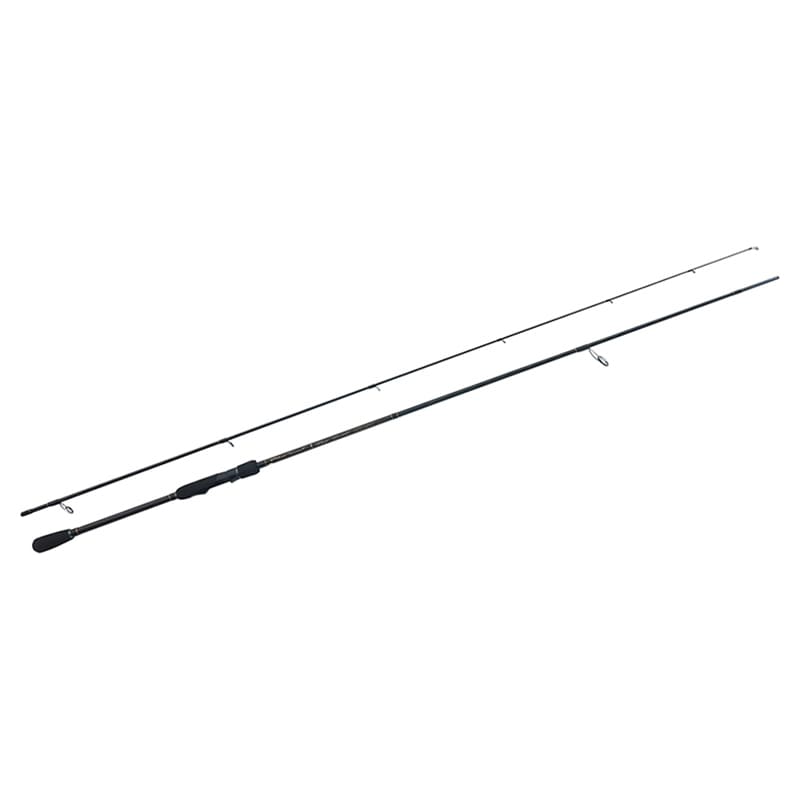
Your rod is the primary tool for exerting control. We recommend a purpose-built rod with a test curve of 3.5lb or higher, with many specialist anglers opting for 4lb-5lb models for extra backbone. For UK bank fishing, a length between 10ft and 13ft offers the ideal balance of casting leverage and fish-playing power. Look for a premium carbon fibre blank featuring a powerful butt section to stop a running fish and a responsive tip to register bites effectively.
Selecting a Powerful and Reliable Reel
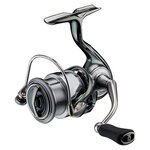
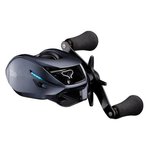
Pair your rod with a reel that can withstand punishing, sustained battles. Large big pit-style reels or the most robust baitrunner models are the elite choice, providing the necessary cranking power. A high line capacity is non-negotiable—aim for a spool that holds at least 250 metres of your chosen mainline. Above all, the reel must possess an impeccably strong and smooth drag system to handle the aggressive, powerful runs without faltering. Explore our range of premium, heavy-duty reels designed to meet these exacting standards.
Line, Hooks, and Terminal Tackle Essentials
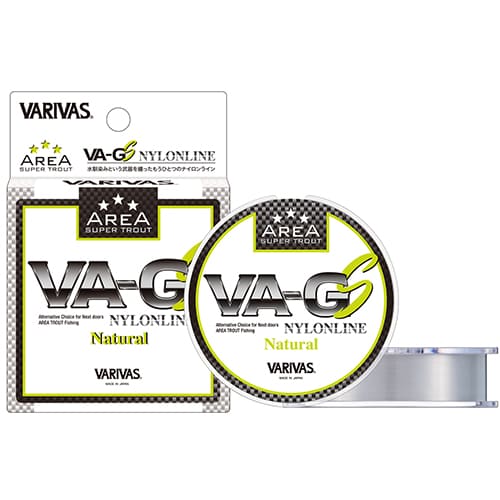
The final connection between you and the fish must be flawless. Every component in your rig needs to be engineered for maximum strength. Your mainline should be exceptionally robust; we recommend a minimum of 20lb breaking strain monofilament or, for superior abrasion resistance, a braided line of 60lb or more.
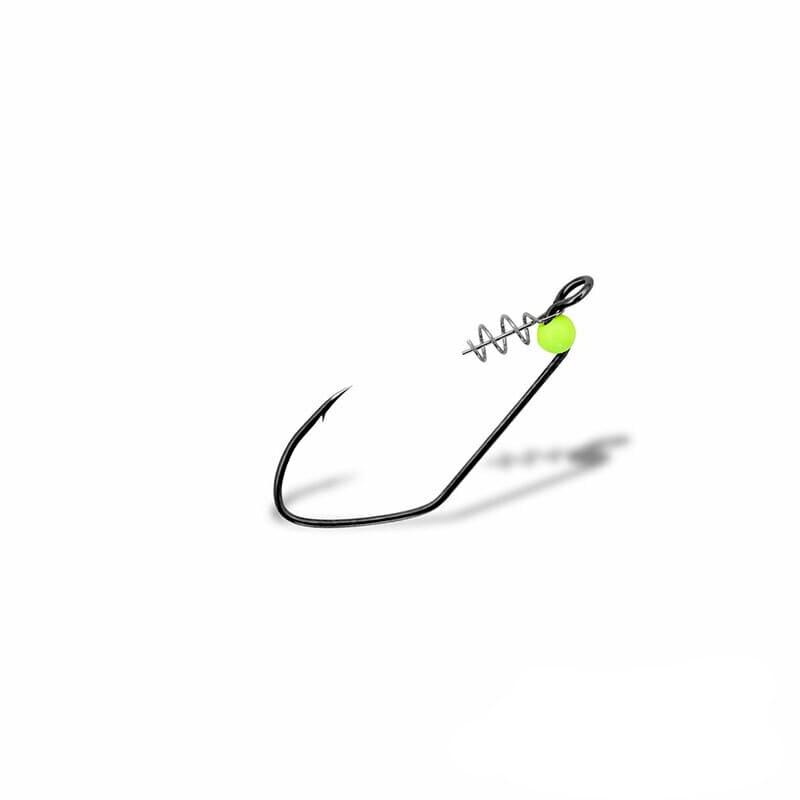
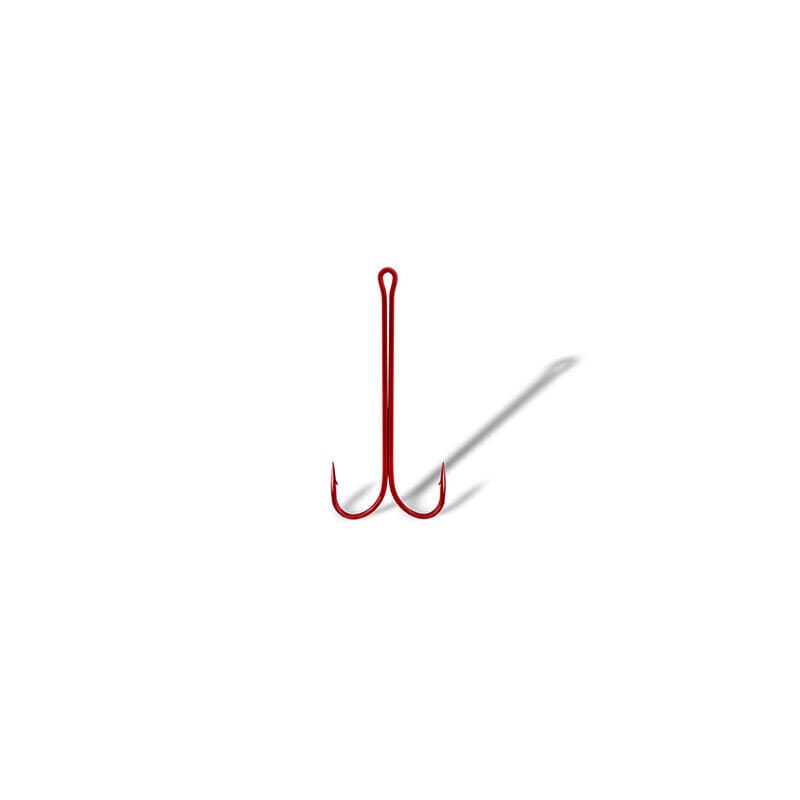
- Hooks: Use only high-strength, forged hooks in sizes ranging from 2 to 6/0. Ensure the point is chemically sharpened and perfectly intact.
- Hooklink Material: Select a highly abrasion-resistant material to withstand the catfish’s rasping pads. Heavy-duty coated braids or high-diameter monofilaments are ideal.
- Components: Employ heavy-duty swivels, large leads (3oz and above) to hold bottom effectively, and strong safety clips. Using rigs that safely discharge the lead is vital for fish welfare and aligns with the best practices found within UK fishing regulations.
Proven Baits and Rigs for Wels Catfish
Success in targeting Wels catfish hinges on understanding their predatory nature. These are not delicate feeders; they are opportunistic hunters that rely heavily on a powerful sense of smell and the detection of movement and vibration. Therefore, your approach should focus on two core principles: deploying a highly attractive, scent-rich bait and presenting it on a simple, robust rig that can withstand the immense power of a large fish. Forget complex, delicate setups; strength and simplicity are paramount.
The Best Baits to Attract Catfish
The discerning angler’s arsenal should include a variety of proven baits. Freshness is non-negotiable, as stale bait lacks the potent scent trail required to draw a fish in. Top-tier choices include:
- Oily Fish: Classics like mackerel, sardine, and herring are exceptionally effective due to their high oil content, which creates a persistent and attractive scent slick in the water.
- High-Protein Baits: Large, pre-drilled halibut pellets and high-protein boilies (20mm+) are a staple on many commercial fisheries, offering a consistent and potent food source.
- Natural Baits: Squid provides a tough, resilient hookbait with a unique scent, while large bunches of lobworms offer irresistible movement and a natural appeal.
Where fishery rules permit, live baits can be exceptionally effective. However, anglers must be fully aware of the strict UK regulations for non-native fish and Environment Agency bylaws regarding their use. To further enhance attraction, consider using premium oils and glugs to douse your chosen bait, amplifying its scent trail.
Essential Catfish Rigs for UK Waters
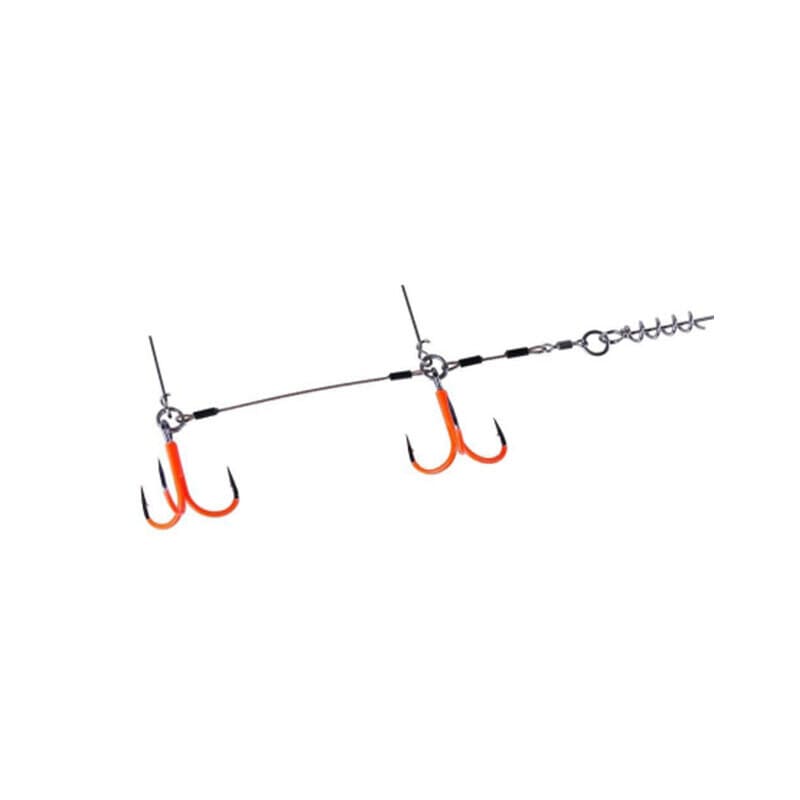
A reliable rig is your direct link to the fish, and it must be constructed with impeccable components. A simple running ledger rig is often the most effective. It consists of a run ring and a buffer bead on the mainline above a strong, high-quality swivel. A lead of 3oz or more provides stability, and a tough, abrasion-resistant hooklink of 18-24 inches is tied to a large, sharp hook (size 1/0 to 6/0). For presenting baits off the bottom or at a set depth, a basic float rig using a large dumbbell-style polyball float is ideal. For pellets or boilies, a standard hair rig, tied with heavy-duty braid, ensures optimal hooking potential.
Bait Presentation Tips for More Bites
How you present your bait is as critical as the bait itself. To ensure your hookbait is visible and not masked by bottom debris, try presenting it just off the lakebed. This can be achieved by “popping up” a deadbait with a piece of foam or a purpose-made popper. When using worms, hook them multiple times through the middle, leaving the ends to wriggle freely. This maximises movement and creates vibrations that a catfish can home in on. Perfecting these presentations requires reliable components. Stock up on premium terminal tackle for your next session.
Top Techniques and Locations for UK Catfishing
Success in UK catfishing hinges on a precise strategy, combining proven techniques with meticulous watercraft. These nocturnal predators require a dedicated approach, as their behaviour shifts dramatically with the time of day and season. Understanding where to find them and how to present a bait effectively is paramount for the discerning angler targeting specimen catfish.
The most productive periods are almost always during low light, from dusk through the night until dawn. In spring, as water temperatures rise, they move into shallower areas to feed actively. During the heat of summer, they often retreat to deeper, oxygenated water during the day, venturing into the margins to hunt at night. Autumn can trigger aggressive feeding before the winter slowdown.
Effective Fishing Techniques
The two dominant methods for targeting these powerful specimens are static ledgering and active float fishing. For the elite angler, mastering both is essential.
- Ledgering: This is the preferred approach for covering water and fishing into the night. It involves casting a heavy-duty rig to a pre-identified feature and waiting for a take. Your setup must be anchored securely, and the use of high-quality, sensitive bite alarms is non-negotiable for detecting subtle indications.
- Float Fishing: A more engaging tactic, ideal for presenting baits with finesse along marginal shelves or near snaggy areas like sunken trees. A large, durable float allows you to suspend a bait just off the bottom, right in the patrol route of a feeding fish.
For larger venues, boat fishing offers an unparalleled advantage, allowing for the precise placement of baits on distant features that are inaccessible from the bank.
How to Identify Prime Catfish Hotspots
Watercraft is an angler’s most valuable asset. Before casting, invest time in mapping your swim. Look for classic holding features such as deep holes, undercut banks, overhanging trees, and dense reed beds. On rivers, focus on slack water or creases just off the main current where these predators can lie in wait. To do this with precision, employ a marker float to identify changes in depth and substrate, or utilise a premium fish finder to gain a comprehensive topographical view of the underwater environment.
Finding a Catfish Venue in the UK
The Wels catfish is now a feature in numerous day-ticket fisheries across the country, making them more accessible than ever. Reputable online angling forums and local club websites are excellent resources for identifying productive waters. However, it is essential to conduct due diligence before your session. Always check the specific fishery rules regarding night fishing permits, minimum tackle requirements, and any potential bait bans. This ensures you arrive prepared and fish in accordance with the venue’s regulations.
Landing and Handling a Catfish Safely and Responsibly
The culmination of a successful session is bringing a powerful fish to the bank. For the discerning angler, this final stage is a measure of skill and responsibility. Proper handling of a large catfish is not merely good practice; it is a duty that ensures the welfare of these magnificent specimens and the safety of the angler. Minimising the time the fish is out of the water is the paramount objective.
Before you even cast a line, ensure you have the essential equipment for fish care:
- A large, deep, soft-mesh specimen landing net.
- A premium, large-sized padded unhooking mat or cradle.
- A dedicated weigh sling and calibrated scales.
- Long-nosed forceps or pliers for efficient unhooking.
- A bucket of lake water to keep the fish and mat wet.
The Fight: Playing and Landing Your Prize
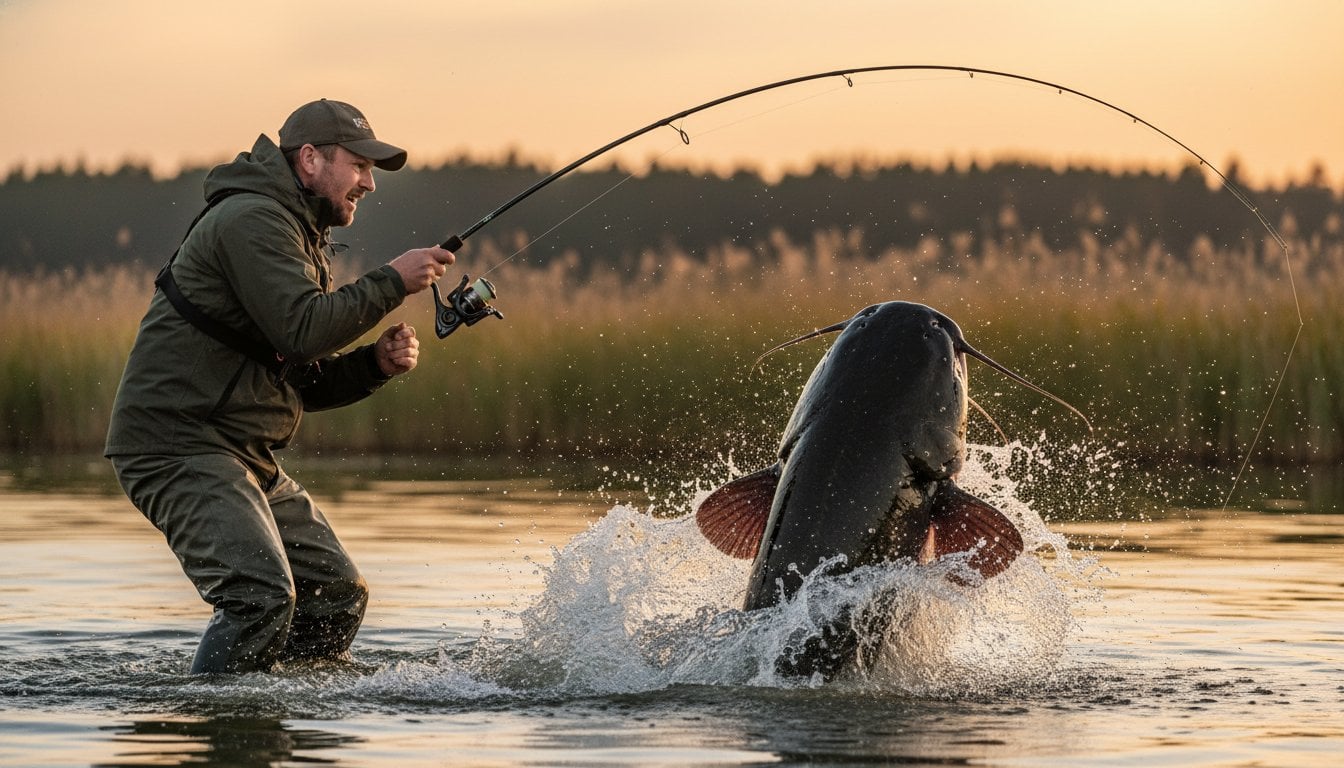
The fight begins long before the take. Your reel’s drag should be meticulously set to yield line under heavy pressure without risking a line break. Once hooked, apply steady, firm pressure, allowing the rod’s action to tire the fish. Avoid aggressive ‘pumping’ which can cause hook pulls. As the fish nears, guide it over your submerged landing net. For ultimate control at the net, a gloved hand can be used to gently grip the fish’s lower jaw—a technique known as ‘chinning’—to guide its head into the net.
Unhooking and Handling on the Bank
Once netted, secure the net and immediately transfer the fish to your pre-wetted unhooking mat. A large, high-walled mat or cradle is non-negotiable for preventing injury. To control the fish, firmly but gently grip its lower jaw, which provides excellent leverage and avoids contact with its sensitive gills and eyes. Use your forceps to remove the hook swiftly. If a fish is deeply hooked, prioritise speed and precision to minimise stress.
Weighing, Photography, and a Safe Return
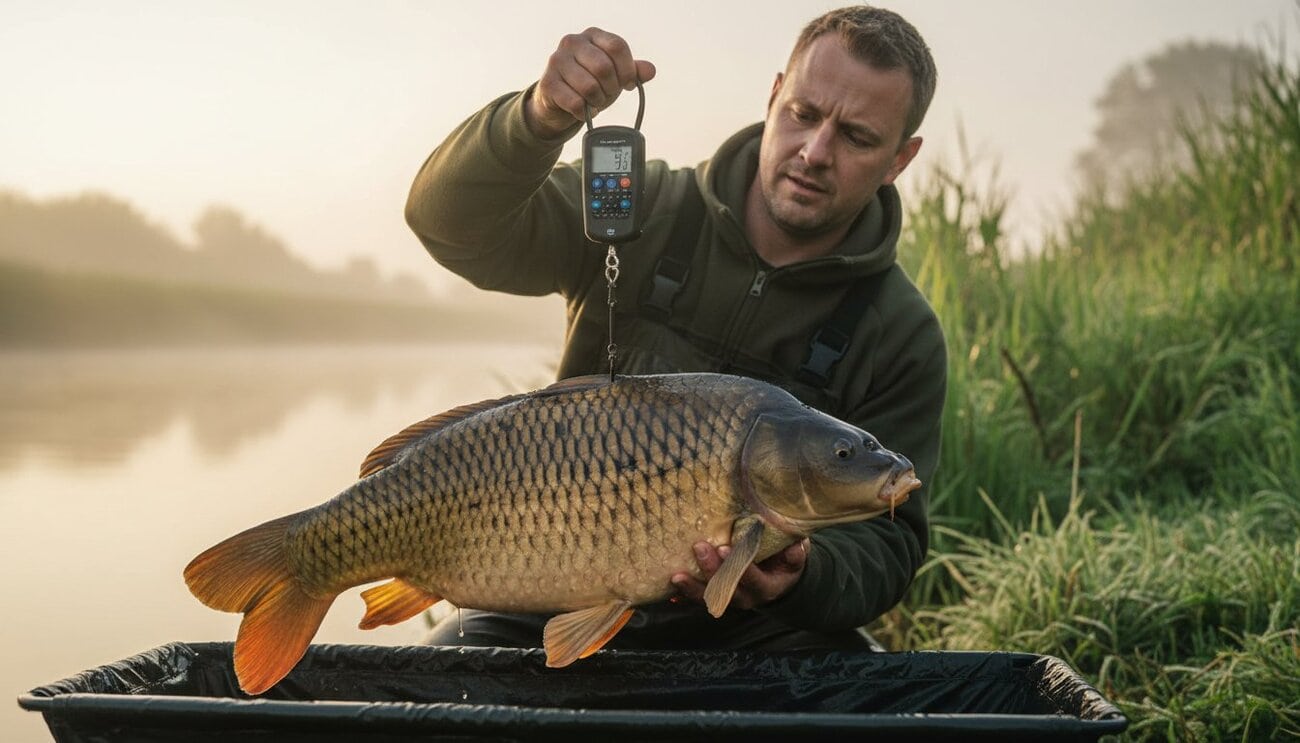
For an accurate weight, transfer the fish into a wet weigh sling, zero your scales, and lift smoothly. If taking a photograph, be prepared. Keep the fish low to the ground over the mat, support its full length, and be quick. The final step is the most critical: the return. Support the fish upright in the water, allowing it to recover at its own pace. Only release your grip when it gives a powerful kick, signalling it is ready to swim away strongly. Impeccable fish care is the hallmark of an elite angler, and you can find a top-tier selection of specimen care equipment at eliteangler.store.
Your Quest for the Ultimate UK Catfish Awaits
You are now equipped with the definitive knowledge to pursue the UK’s most formidable freshwater predator. This guide has detailed everything from Wels behaviour and habitat to the specific techniques required to entice a bite. True success, however, hinges on combining this understanding with the correct rigs, proven baits, and a profound respect for these giants, demonstrated through safe handling. Mastering the art of catching a trophy catfish is a challenge that demands skill, patience, and impeccable preparation.
The most crucial element of that preparation is having tackle that will not fail when put to the ultimate test. At Elite Angler, we provide expert-selected gear for discerning anglers who refuse to compromise. Our collection features only premium brands, specifically chosen for the immense power and durability required to subdue these titans. We have assembled everything you need to confidently target and land the fish of a lifetime. Elevate your angling and ensure you are ready for the fight.
Shop our curated collection of premium catfish tackle.
The water is waiting. Apply this knowledge, trust in your equipment, and make your next session legendary.
Frequently Asked Questions
Is it legal to fish for catfish in UK rivers?
Yes, but with strict regulations. Wels catfish are a non-native species, and under the Import of Live Fish Act (ILFA), it is illegal to return them to any river or canal if caught. They must be dispatched humanely. However, on enclosed commercial fisheries, catch and release is standard practice and legally permitted. Always confirm the specific rules of the venue before fishing to ensure full compliance.
What is the best time of year to catch Wels catfish in the UK?
The optimal period for targeting Wels catfish is during the warmer months, typically from late May through to September. These predators become significantly more active as water temperatures rise above 15°C, triggering aggressive feeding behaviour. The peak times are often at night, dusk, and dawn, when their superior sensory abilities give them a distinct advantage. Serious anglers will find these summer nights offer the highest probability of success.
Can you eat Wels catfish caught in the UK?
Wels catfish are edible, with firm, mild-tasting flesh. However, the palatability is heavily influenced by the water quality of their environment. Fish from cleaner, well-managed stillwaters or flowing rivers will offer a superior taste compared to those from stagnant waters. As it is a legal requirement to dispatch any catfish caught from a river, preparing it for the table is a practical and viable option for the discerning angler.
How do I avoid deep-hooking a catfish?
To ensure proper fish welfare, elite anglers employ specific techniques to prevent deep-hooking. Using large, barbless circle hooks is paramount; their design encourages the hook to set cleanly in the corner of the fish’s mouth. It is also crucial to remain attentive and strike promptly upon detecting a take, preventing the fish from swallowing the bait. Employing a well-constructed bolt rig can also promote an immediate hook-set.
What’s the minimum strength line I should use for catfishing?
For targeting UK Wels, a minimum breaking strain of 40lb is recommended for your mainline, though many specialist anglers prefer 60lb to 80lb premium braid for its superior strength and lack of stretch. This provides the necessary power to control a large fish and manage potential snags. Your hooklink should be an abrasion-resistant material of at least 50lb to withstand the abrasive pads inside the catfish’s mouth.
Are Wels catfish dangerous to handle?
While not aggressive towards humans, Wels catfish demand careful handling due to their immense power and specific physical traits. The primary hazard is the abrasive pads inside their mouths, which can easily strip skin from unprotected hands. Always wear a durable, thick protective glove when handling the fish’s lower jaw. Proper control on a large, well-wetted unhooking mat is essential for both the angler’s safety and the fish’s welfare.