
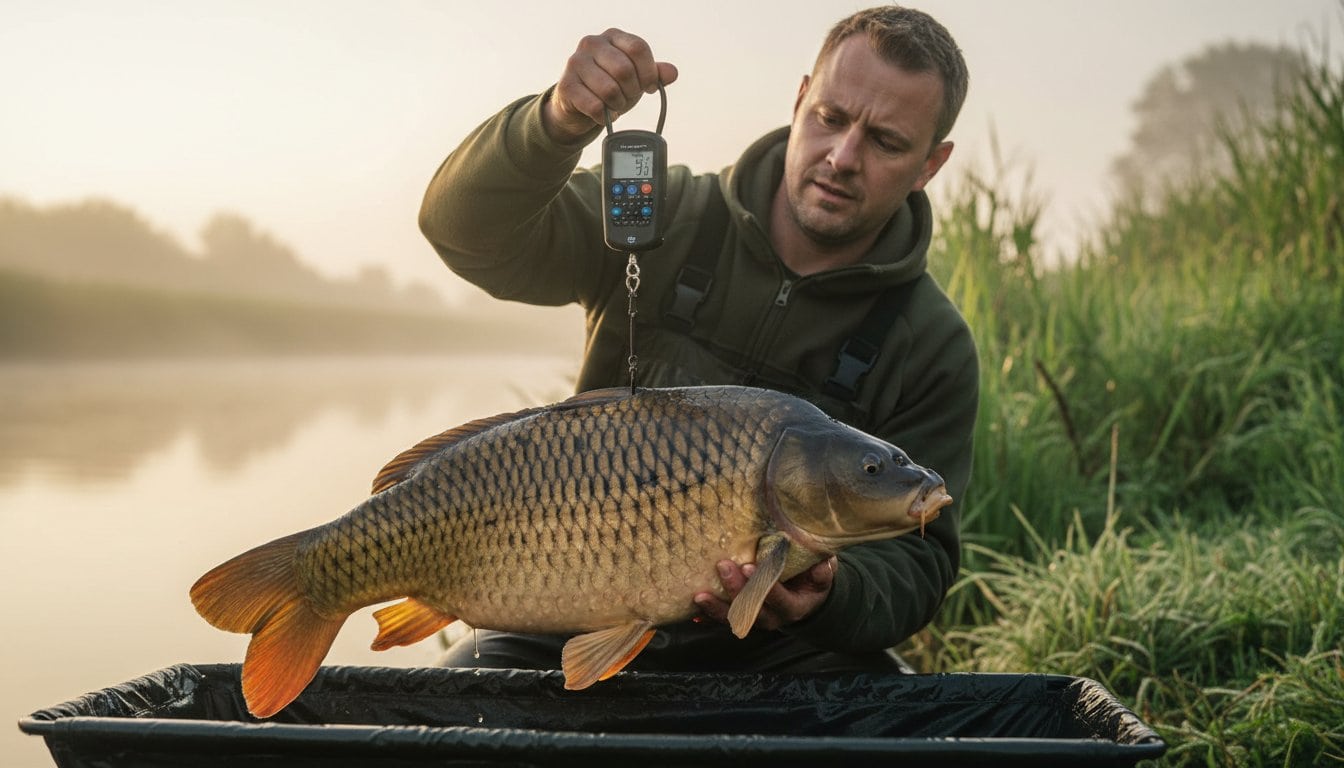
For the Elite Angler, every cast is a pursuit of excellence, and every significant catch deserves an accurate, undeniable record. Yet, a moment of triumph can be undermined by doubt: is that budget model truly reflecting a personal best, or is it a hopeful guess? The market is saturated with fishing scales, from basic dial units to sophisticated digital instruments, leaving many serious anglers questioning the difference between essential precision and superfluous features. More importantly, the welfare of a prized catch during the weighing process is a non-negotiable responsibility.
This definitive guide cuts through the noise. We will explore what separates top-tier weighing instruments from the rest, ensuring you can confidently select a durable and impeccably accurate model. You will learn the correct techniques for safe and efficient weighing, understand the critical features that matter for your discipline, and gain the expertise to invest in a premium scale that honours both your skill and your catch. Prepare to document your achievements with the certainty they deserve.
Beyond the Brag: Why Accurate Scales are Essential for the Modern Angler
For the discerning angler, the pursuit of excellence extends beyond technique and tackle; it encompasses a commitment to precision and responsibility. A top-tier set of digital scales is not merely a tool for validating a trophy catch—it is an indispensable instrument for personal progression, conservation, and upholding the integrity of the sport. Moving past guesswork and estimation elevates an angler’s practice from a casual pastime to a dedicated, data-driven pursuit that provides undeniable proof of success.
The Personal Best (PB) Culture
In the world of angling, the pursuit of a new Personal Best (PB) is a powerful motivator. This milestone represents the culmination of skill, patience, and often, a little luck. However, a PB is only truly meaningful when it is accurately verified. A precise weight reading from a quality digital instrument provides undeniable validation, removing all doubt and cementing the achievement against previous records. For those entering competitions or submitting catches for official records, calibrated, accurate weighing is simply non-negotiable.
Fish Welfare and Data Contribution
The responsibility of an elite angler extends to the welfare of their quarry. Modern digital scales provide a near-instantaneous reading, significantly reducing handling time and minimising stress on the fish—a paramount concern in modern catch-and-release angling. Furthermore, the accurate data you collect is invaluable. Submitting precise catch reports to fisheries, clubs, or UK bodies like the Environment Agency contributes to a vital understanding of fish stocks, growth rates, and overall ecosystem health, allowing for better management of our precious waterways.
Ultimately, investing in a premium weighing instrument is a statement. It proves you value irrefutable data over exaggerated stories and demonstrates respect for the fish and the sport. While the fundamental weighing scale principles apply to all devices, the accuracy and speed of modern digital units are unmatched. By tracking your progress with precise data, you can analyse patterns over seasons, settle any friendly debates with concrete proof, and affirm your status as a serious, responsible angler.
Digital vs. Mechanical: Choosing Your Weighing Technology
For the discerning angler, selecting the right weighing equipment is as crucial as choosing the correct lure. The market is dominated by two primary technologies, each with a distinct internal mechanism and a unique set of advantages. Your choice between a digital or mechanical model will ultimately depend on your specific requirements for precision, durability, and convenience on the bank. At their core, the debate is one of modern electronics versus time-tested mechanics: the digital strain gauge versus the traditional spring.
The Precision of Digital Scales
Top-tier digital scales represent the pinnacle of weighing accuracy for the modern angler. Their operation relies on an electronic sensor known as a strain gauge, which measures the minute deformation caused by a load and converts it into a precise digital reading. This technology offers several impeccable advantages:
- Superior Accuracy: Capable of measuring down to fractions of an ounce, providing definitive weight readings for personal bests or competition use.
- Advanced Features: Most premium models include a backlit LCD for low-light conditions, memory functions to store multiple weights, and simple unit conversion between pounds and kilograms.
- Tare Function: This is indispensable for zeroing out the weight of a wet weigh sling, a critical step to properly weigh your catch and ensure fish welfare.
The primary drawbacks are their dependence on batteries and a potential vulnerability to water ingress if not sufficiently IP-rated. However, for the angler demanding absolute precision, these are manageable trade-offs.
The Reliability of Mechanical (Dial) Scales
Mechanical scales, often featuring a classic dial display, operate on a simple, robust spring mechanism. As weight is applied, the spring extends, moving a pointer on the dial to indicate the weight. Their enduring appeal lies in their simplicity and resilience.
- Unfailing Operation: With no batteries to fail or electronics to short-circuit, a mechanical scale is exceptionally reliable in all conditions.
- Durability: Built with fewer complex components, they are often more robust and can withstand the rigours of a demanding angling environment.
- Simplicity: Their operation is straightforward, with a large, easy-to-read dial that provides an instant weight estimation.
However, their precision is limited. The spring can lose tension over time, leading to inaccuracies. Furthermore, they are susceptible to “parallax error,” where viewing the dial from an angle can result in an incorrect reading. They serve best as a highly durable backup or for situations where absolute gram-perfect accuracy is not the primary objective.
Anatomy of a Premium Fishing Scale: Key Features to Demand
For the discerning angler, not all digital scales are created equal. A budget model may suffice for occasional use, but a top-tier instrument is engineered for precision, reliability, and resilience in demanding angling environments. Understanding the anatomy of a premium scale allows you to invest in a tool that delivers impeccable performance season after season.
Accuracy, Capacity, and Resolution
The core function of any scale is measurement, and three factors define its capability: capacity, resolution, and stability. Maximum capacity is the heaviest weight the scale can measure; a dedicated carp angler targeting 50lb+ specimens requires a scale with at least a 100lb capacity, whereas a trout or coarse fisherman may only need a 30lb limit. Resolution, or the smallest increment of measurement (e.g., 1oz or 0.02kg), is critical for accurately recording a personal best or for competition weigh-ins. A premium scale will also feature a stable weight lock function, which holds the reading steady even if the fish moves, ensuring you capture the precise weight. This level of certified precision is why regulatory bodies often specify certain models, such as the list of NOAA-approved fishing scales used in professional fisheries, which meet stringent standards for accuracy.
Display and Usability Features
A scale’s utility is heavily dependent on its design. A bright, backlit LCD screen is non-negotiable for anglers who fish at dawn, dusk, or through the night, ensuring readability in any light condition. Look for a memory function that allows you to store multiple weights, an invaluable feature for tracking your total catch during a session without needing a separate notepad. Finally, consider the ergonomics. A robust, oversized hanging loop and a large, strong weigh hook made from stainless steel provide secure handling and support, ensuring both safety and ease of use when weighing a prized catch.
Durability and Weatherproofing
The angling environment is unforgiving, and your equipment must be built to withstand it. A key indicator of durability is an IP (Ingress Protection) rating. An IP66 rating, for example, signifies that the housing is completely sealed against dust and can resist powerful jets of water from any direction, making it effectively rain-proof. Elite scales are constructed with corrosion-resistant components and housed in tough, high-impact casings. Crucially, a well-designed scale will feature a fully sealed battery compartment, often protected by a rubber gasket, to prevent water ingress and catastrophic failure when you need it most.
The Weighing Process: A Step-by-Step Guide to Accuracy and Fish Safety
For the discerning angler, capturing an accurate weight is the final, rewarding step of a successful catch. However, this process demands more than simply hooking a set of scales to a fish. True professionalism is demonstrated through a procedure that prioritises the well-being of the quarry. An impeccable weighing process begins long before a fish is on the bank; it starts with having the correct, premium equipment organised and ready for immediate use.
Essential Weighing Accessories
To ensure an accurate reading and minimal stress to the fish, having specialist equipment prepared is non-negotiable. This allows for a swift, efficient, and safe process from net to water.
- The Weigh Sling: A high-quality, fish-friendly sling is essential. Standard slings are for quick weighing, while flotation models can double as short-term retainers, allowing the fish to recover.
- The Tripod or Weigh Bar: Critical for larger specimens, a tripod provides stability to eliminate arm shake, ensuring your digital scales can lock onto a precise, unwavering weight.
- The Unhooking Mat: A large, padded, and wet unhooking mat is the foundation of bankside fish care, providing a safe surface that protects the fish’s delicate slime coat.
The Correct Weighing Procedure
With your accessories in place, this methodical procedure guarantees an accurate weight while upholding the highest standards of fish welfare. Speed and gentleness are critical throughout.
- Prepare and Zero: Thoroughly wet the weigh sling to protect the fish. Attach the empty, wet sling to your scales and press the ‘tare’ or ‘zero’ button to deduct the sling’s weight.
- Safe Transfer: Carefully move the fish from your landing net to the sling on your unhooking mat. Ensure its pectoral fins are flat against its body to prevent damage.
- Lift and Settle: Zip the sling, attach it to your scales on the tripod, and lift smoothly. Allow the reading to settle and lock in without any sudden movements.
- Record and Release: Note the weight quickly. If taking a photograph, keep the fish low over the mat. Return the fish to the water promptly, supporting it until it swims away strongly.
Mastering this procedure not only provides you with the accurate data you seek but also marks you as a truly elite angler who respects their catch. Ensure your kit is up to the task by exploring our curated selection of premium weighing equipment at eliteangler.store.
Matching Scales to Your Target Species
Selecting the correct weighing instrument is as crucial as choosing the right rod or reel. The features that define elite-tier scales are directly influenced by the demands of a specific angling discipline. For the discerning angler, matching the equipment to the quarry is not just best practice—it is essential for accuracy, efficiency, and proper fish care. This guide aligns the technical specifications discussed previously with the practical realities of your chosen fishing style.
Scales for Carp and Specimen Angling
When targeting large, powerful fish like specimen carp or catfish, your equipment must be robust and precise. The pursuit of a personal best demands a scale that can handle significant weight without compromising accuracy. For the dedicated specimen hunter, key features are non-negotiable.
- High Capacity: A minimum capacity of 100lb (approx. 50kg) is standard to accommodate trophy-sized fish from UK and European waters.
- Advanced Digital Display: A large, backlit screen is vital for night sessions, while a memory function allows for the precise logging of multiple captures.
- Tripod Compatibility: For a steady, two-handed lift and an impeccably accurate reading of a heavy fish, a tripod mount is an absolute necessity.
Investing in a high-quality instrument ensures every ounce of your hard-earned catch is counted. Browse our premium specimen scales to find the perfect model for your campaign.
Scales for Predator and Lure Fishing
The mobile nature of predator and lure angling calls for equipment that is compact, durable, and highly functional. Whether you are roving a riverbank for pike or fishing from a boat for zander, your scale must be lightweight and resilient.
- Portability: A compact, lightweight design is paramount for anglers who are constantly on the move and carrying minimal gear.
- Sufficient Capacity: A capacity of up to 50lb (approx. 25kg) is typically more than adequate for most UK predator species.
- Water Resistance: Constant exposure to rain, spray, and wet hands makes a high degree of water resistance essential for long-term reliability.
- Integrated Features: Many top-tier predator scales incorporate a fish-friendly lip grip, streamlining the process of weighing and safely releasing your catch.
For the modern lure angler, efficiency is key. A purpose-built scale ensures you can get a quick, accurate weight and return the fish with minimal stress, maximising your time on the water.
The Final Weigh-In: Investing in Accuracy
For the serious angler, a precise measurement is far more than a number for bragging rights—it is a testament to skill, a critical data point, and a vital component of ethical, sustainable angling. As we have detailed, selecting the right fishing scales is a crucial decision. Understanding the nuances between advanced digital and reliable mechanical technology, and demanding the premium features suited to your target species, separates the amateur from the elite. Furthermore, mastering the correct weighing technique not only guarantees an accurate record of your personal best but also prioritizes the health of your catch, ensuring its vitality for a safe release.
When you are ready to invest in equipment that reflects your unwavering commitment to the sport, trust the tools relied upon by the most discerning anglers. The equipment we offer is built for uncompromising durability and impeccable precision, featuring a curated selection of top-tier brands engineered for elite performance on UK waters. Explore our curated selection of premium fishing scales and equip yourself with the confidence that every catch is weighed with absolute accuracy.
Frequently Asked Questions
How often should I test the accuracy of my fishing scales?
For the discerning angler, accuracy is paramount. We recommend verifying the calibration of your digital scales before any significant trip or competition. A simple test using a known weight, such as a 2kg bag of sugar or a calibrated gym weight, is sufficient. This ensures every catch is recorded with impeccable precision, which is critical for personal bests and competition entries. Regular checks maintain the integrity of your equipment and your records.
Are the very cheap digital scales found on Amazon or eBay reliable for fishing?
While budget-friendly scales, often priced under £10, are accessible, they typically lack the durability and consistent accuracy required for serious angling. These units often use inferior load cells and are not properly sealed against moisture, leading to performance degradation. For an elite angler, investing in a premium, purpose-built set of fishing scales from a reputable brand is a non-negotiable part of assembling a top-tier gear collection, where reliability justifies the higher initial outlay.
What is the best and safest way to weigh a very large fish by myself?
Safely weighing a large specimen solo requires proper equipment to ensure both accuracy and fish welfare. Utilise a high-quality, padded weigh sling to support the full length of the fish, preventing injury. Suspend the sling from your scales, which should be attached to a sturdy weigh-tripod. This setup provides a stable, hands-free reading and is far superior to attempting to hold the scales aloft, which can cause fluctuations and risk dropping the fish.
Can I use a set of luggage scales for weighing fish?
While technically functional, using luggage scales is not recommended for the dedicated angler. These devices are not designed for the rigours of a waterside environment; they lack the necessary water resistance and are often less precise for specimen fish. Furthermore, their hooks are not designed for weigh slings, potentially compromising the safety of your catch. A premium set of digital fishing scales offers superior accuracy, durability, and features designed specifically for angling.
Do I really need a tripod for my fishing scales or can I just hold them?
For lightweight catches, holding your scales is acceptable. However, for any substantial fish or when absolute precision is required, a weighing tripod is essential. Holding heavy scales steady is nearly impossible, leading to an unstable reading and potential inaccuracies. A tripod eliminates movement, allows the scales to settle for a true weight, and frees your hands to manage the fish safely. It is a hallmark of a professional and methodical approach to specimen hunting.
How do I properly care for my digital fishing scales to make them last longer?
Proper maintenance is key to preserving the performance of your top-tier digital scales. After each use, wipe the unit down with a soft, dry cloth to remove moisture and debris. Never submerge a non-waterproof model. Store your scales in a protective case to prevent damage to the screen and load cell during transit. Periodically check and replace the batteries to avoid leakage and ensure consistent power for accurate readings. This simple regimen protects your investment.